&geometry(405x90) "Australasian College of Legal Medicine")
Listed alphabetically.
2026 Annual Scientific Meeting & Awards Dinner Speakers
Guest Speakers
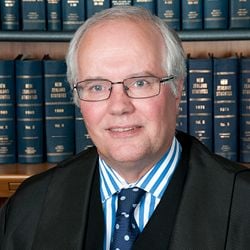
The Honourable Justice David Collins
Acting Judge of the Court of Appeal of New Zealand
The Dilemma in trying to Define Death
ABSTRACT: Victorian society was morbidly preoccupied with taphophobia, the fear of being buried alive. The advent of advanced medical life preserving techniques and the increase in cremations has meant that taphophobia is no longer a major concern. However, the development of life prolonging techniques and the growth of organ transplantations has led to a number of still unresolved issues about when life ends. This paper will explore those issues.
BIOGRAPHY: Justice Collins graduated with an LLB (Hons) (First Class) from Victoria University of Wellington in 1975, subsequently gaining an LLM in 1976 and an LLD in 1993, both from Victoria University of Wellington. He also obtained an LLM-JS from Duke University in the United States. In 1985 Justice Collins became a partner in the firm now known as Rainey Collins. In 1996 he left the partnership to join the Independent Bar and was appointed Queen’s Counsel in 2000. He was appointed Solicitor-General in September 2006. Prior to that Justice Collins held positions as President of the Wellington Law Society, Chairman of the Accident Compensation Corporation, Chairman of the Health Practitioners Disciplinary Tribunal and Executive Vice President of the World Association of Law and Medicine. Justice Collins was appointed a Judge of the High Court in 2012 and a Judge of the Court of Appeal in April 2019. On his retirement in March 2024, Justice Collins accepted a warrant, and will sit as an acting Judge of the Court of Appeal until March 2028.
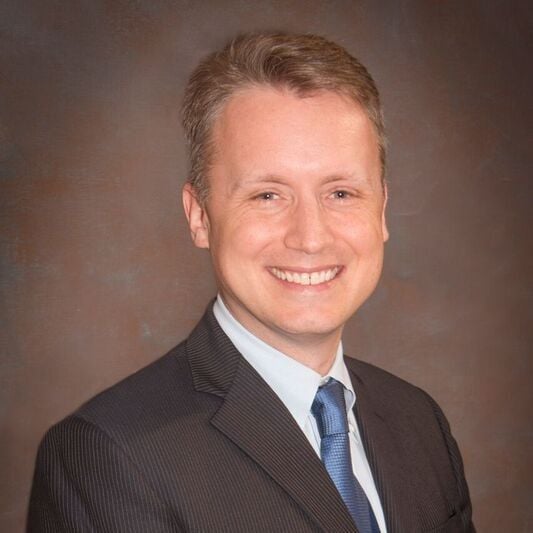
Dr Christopher Meredith
Neurosurgeon, American ACLM Board of Governors and representative guest speaker
Prisoner’s Rights to Health Care in the U.S. from Arrest to Conviction
ABSTRACT: This talk explores the rights that detained individuals have to receive health care at various points along with spectrum of detainment. Beginning with an individual's arrest, pre-trial detention, post-trial convision, and prison confinement, this talk will look at the US system of incarceration and when individuals gain and lose rights to reasonable healthcare, along with their abilities to challenge their healthcare delivery, sue the state (or federal government) for wrongs, and what compensation and remedies they may be entitled to. This talk references the various U.S. constitutional amendments and statutes, including an exploration of when and why certain prisoners lose their 14th amendment to equal protection. I will talk about statutory law and how it influences and curtails certain prisoners rights at different point of detention.
BIOGRAPHY: Christopher Meredith, MD, JD, FAANS, FCLM is a board certified neurosurgeon, practicing neurosurgery full-time in the U.S. He completed medical school at the University of Connecticut, a residency in neurological surgery at the University of Kansas in 2006, and law school at Mitchell-Hamline School of Law in 2023. Medico-legal interests include medical malpractice, utilisation review, peer review, and healthcare compliance.
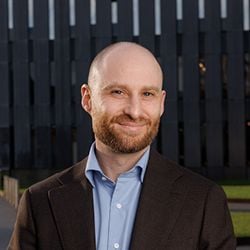
Dr Christopher Rudge
Lecturer (Teaching and Research), Sydney Law School
With Great Biomedical Power Comes Real Professional Duty: Freebirth and the Limits of
Professional Regulation
ABSTRACT: Australian responses to deaths and serious injury arising from freebirth have so far been channelled through coronial inquests, professional disciplinary tribunals, and statutory prohibition orders. None of these mechanisms delivers compensation to the families left to absorb the consequences. This paper turns to the civil liability question. It asks whether the Rogers v Whitaker duty to warn extends to unregistered birth workers who attend freebirths, on what footing claims for negligently caused birth injury might proceed where attendants sit outside the Health Practitioner Regulation National Law, and what the answers reveal about the limits of professional regulation in reproductive health.
BIOGRAPHY: Dr Christopher Rudge is a Lecturer at Sydney Law School and Deputy Director of Sydney Health Law. Trained in law and social science, his research examines how regulatory frameworks govern health, welfare, professional practice, and emerging medical technologies. He has published extensively in the Journal of Law and Medicine and writes regularly on health practitioner regulation and related topics in Australia.
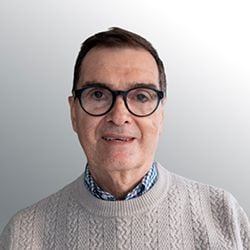
Dr George Skowronski
Clinical Ethics Lead at St George Public Hospital
Posthumous Reproduction
ABSTRACT: The development of life support technologies in intensive care units following the polio epidemics of the 1950s led to a re-conceptualisation and legal redefinition of death. While the greatest repercussions of this have been in the area of organ transplantation, it has also become possible to procure gametes or to sustain a pregnancy in patients who are legally dead. In addition to substantial ethical considerations, these practices are potentially impacted by a number of laws and professional guidelines, and there are also questions of legal jurisdiction, since parens patriae arguably applies to neither the brain dead mother nor the foetus in this situation. Some of the ethical and legal difficulties are illustrated by a case in which the husband of a woman who became brain dead following an intracranial haemorrhage, requested that her eggs be preserved so that he could have her children.
BIOGRAPHY: Dr George Skowronski retired from a long career in intensive care medicine in 2019. He is the Clinical Ethics Lead at St George (Public) Hospital. He also holds a conjoint appointment with the University of NSW as an Associate Professor of Critical Care. The numerous ethical problems of intensive care medicine led to an early interest in clinical ethics and he completed a Master of Bioethics at Sydney University in 2016. His main interest is in clinical ethics consultation and he also has a current research interest in organ donation ethics.
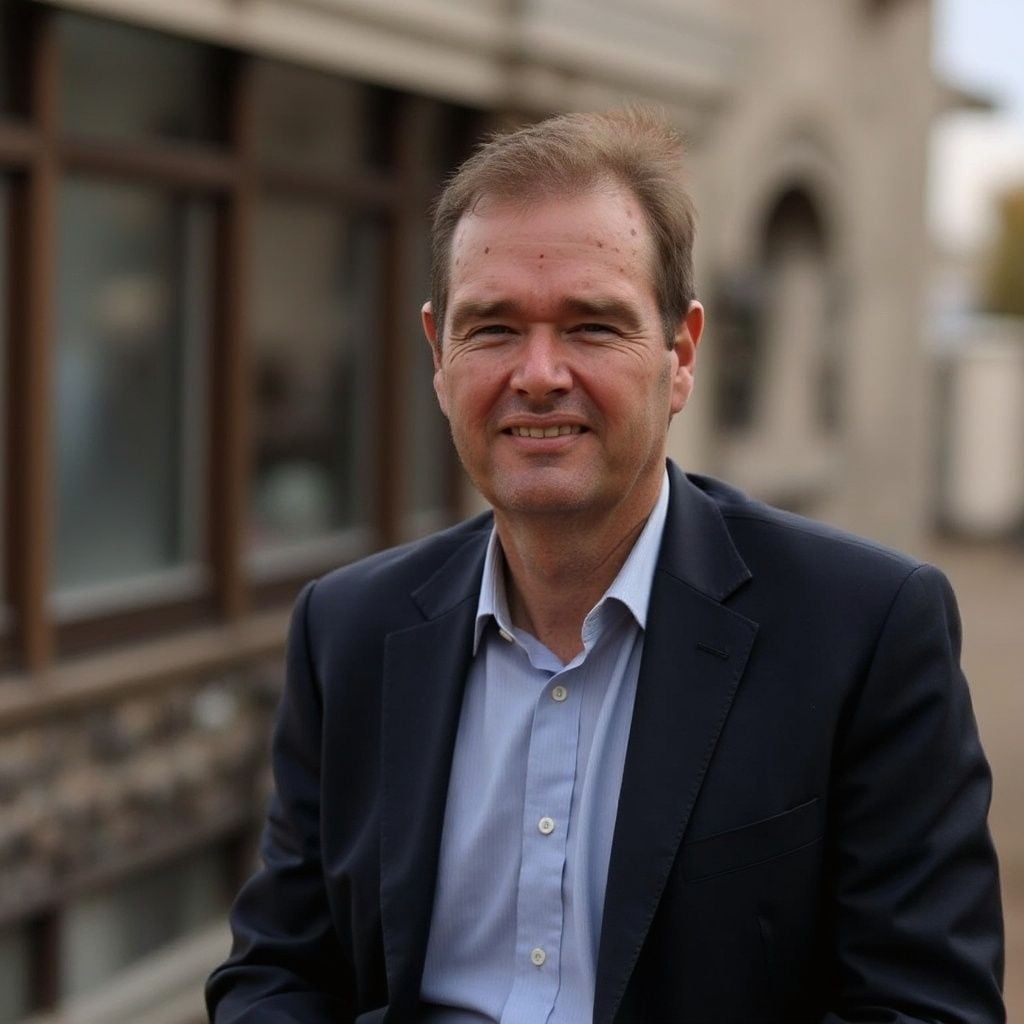
AWARDS DINNER SPEAKER: David Gillespie
Bestselling non-fiction Author and Researcher
Taming Toxic People
ABSTRACT: Taming Toxic People explores how to recognise and manage everyday psychopaths in our personal and professional lives. While society often associates psychopathy with criminality, many people
with these traits are successful, charming individuals who leave a hidden trail of emotional destruction. They lack empathy, manipulate others for personal gain, and frequently thrive in corporate organisations. This presentation breaks down the underlying psychological and behavioural traits of workplace psychopaths. It offers practical, evidence-based strategies to protect yourself, establish firm boundaries, neutralise toxic influence, and ultimately safeguard your
mental wellbeing and team culture.
BIOGRAPHY: David Gillespie is a bestselling non-fiction author and researcher known for his deep dives into psychology, health, and nutritional science. With a background in corporate law, David applies rigorous analytical skills to complex subjects, translating them into accessible, practical knowledge. He has authored several critically acclaimed books, empowering readers and audiences to make informed decisions about their physical wellbeing, relationships, and workplace dynamics. He is also the founder of the educational charity freeschool.org.au.
College Speakers
Associate Professor Anthony Cross
Emergency Physician and Intensivist; Director of Intensive Care, Northern Hospital; Associate Professor, Department of Critical Care, University of Melbourne
What is the Emergency Physician’s duty to prevent a patient harming others when mental health acts don’t apply?
ABSTRACT: Duty of care to third parties is a vexed issue for Emergency Department (‘ED’) medical staff managing patients with altered cognition. They fear the patient could harm themselves or others. Mental Health Acts in Australian jurisdictions allow medical staff to detain patients with mental health conditions. There are a numerous other non-mental health conditions that alter cognition to a similar extent and put the patient at risk of causing harm to themselves or others. However, detention of such patients is not covered by the Mental Health Acts and there is no comparable legislation under which non-mental health patients can be detained. Unlawful detention, or false imprisonment, is a form of trespass against the person in tort law. This paper considers when Emergency Department medical staff owe a duty of care to third parties when managing patients with altered cognition, absent a mental health condition. Establishing when this duty of care arises will aid Emergency Department medical staff in managing patients with altered cognition. Emergency Department medical staff always owe a duty of care specific classes of third party: other patients, staff, and relatives accompanying the primary patient in the ED. When that duty conflicts with the duty to patients with altered cognition, the duty to third party staff takes precedence on the basis obligations to the Occupational Health and Safety Act 2004 and the duty to third party other patients and relatives should be preferentially met based on a salient features analysis. Under current law, restraint exposes medical staff and hospitals to the tort of false imprisonment. This paper advocates for statutory protections, analogous to those available under the Mental Health and Wellbeing Act, to be made available permitting lawful restraint of patients with altered cognition, absent a mental health condition, so that duties of care to third parties can be met.
BIOGRAPHY: Anthony is a dual-qualified Emergency Physician and Intensivist having completed specialist training and been in specialist clinical practice since 2004. He is currently employed as the Director of Intensive Care at the Northern Hospital. He also works for the Coroners Court of Victoria in the Health and Medical Investigation Team and serve on the Mental Health Tribunal. His academic appointment is with the Department of Critical Care at the University of Melbourne. Previously, Anthony served on the Victorian Board of the Medical Board of Australia. He also held numerous roles with the Australasian College for Emergency Medicine, including two terms as President and continues as an examiner. He served on the Board and as Treasurer of the International Federation for Emergency Medicine. He was awarded honorary fellowships of both the Latin American Federation for Emergency Medicine and the Argentinian Society for Emergency Medicine for teaching and service to those organisations. He has completed a Master of Health and Medical Law at the University of Melbourne and is a member of the Medico-Legal Society of Victoria.
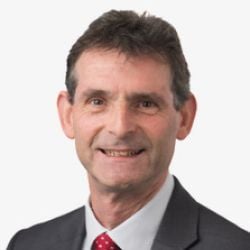
Associate Professor David Ernest
Adjunct Clinical Associate Professor, Monash University; Intensive Care Physician
Medical Panels: An effective medical dispute tribunal in Victoria
ABSTRACT: Medical Panels is a Victorian medical tribunal established in the 1990s under the Workplace Injury Rehabilitation and Compensation Act 2013 and Wrongs Act 1958 to resolve medical questions in workplace and personal injury claims. Panels of specialists examine claimants, review evidence, and issue legally binding opinions within set timeframes. Referrals address diagnosis, causation, treatment entitlement, work capacity, and impairment thresholds. Receiving over 6,200 referrals annually, the service is funded by insurance premiums and fees. Led by a Convenor, it includes over 230 practitioners supported by administrative and legal teams, ensuring timely, fair, and cost-effective resolution of medical disputes.
BIOGRAPHY: David Ernest is an Adjunct Clinical Associate Professor (Monash University) and Intensive Care physician with post-graduate qualifications in Health & Medical Law and Bioethics.
David currently is a Council Member of the ACLM and an Australian Medical Association (AMA) representative on the Joint AMA/Law Institute of Victoria/Bar Medico-legal Standing Committee. He has a Ministerial appointment as Convenor for Medical Panels, an alternative dispute resolution tribunal for resolving medical disputes involving workplace injuries and personal injury claims in Victoria.
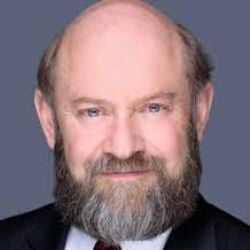
The Honourable Justice Ian Freckelton AO KC
Judge of the Supreme Court of Nauru; Professor of Law; Honorary Fellow of the ACLM
Informed Consent: Practicalities, Realities and New International Perspectives
ABSTRACT: Issues in relation to consent for surgery are a real and ongoing challenge for all medical practitioners. To speak in terms of the jettisoning of medical paternalism and the transcendence of patient autonomy is finite in its utility and has become yesterday’s controversy. It takes practice only a limited distance. The challenges for consent in the intersection between medicine and the law lie in the operationalisation of enabling informed decision-making by patients/consumers: why, what and how effective and respectful communication must take place. The challenges have many facets, extending to the nature of the information that needs to be provided, the scope of the information transfer that needs to take place, how the authenticity of consent can be measured and what latitude for the use of initiative written consent leaves to the practitioner, especially the surgeon. This paper reviews the context and ramifications of two Appeals Chamber decisions of the European Court of Human Rights (Mulla v Spain, 2024 and SO v Spain, 2026), He argues that they give a sign for where evolving attitudes toward informed consent are likely to take the law of Australia and New Zealand. The judgments of the international court engage with both the rationales for the contemporary notion of informed consent and how it needs to be put into effect by individual practitioners, as well as their institutions, in diverse scenarios, including in the context of the surgical environment. Together, they constitute a highly influential articulation of both principle and required practice.
BIOGRAPHY: Ian Freckelton has been a Judge of the Supreme Court of Nauru since 2017 and has been a member of eleven statutory tribunals at both Commonwealth and State level in Australia. He is currently also a member of the Australian Administrative Review Tribunal. Throughout Australia Ian is also a high profile King’s Counsel in full time practice as a barrister at trial, appellate and advisory levels. Ian is a Professor of Law and a Professorial Fellow in Psychiatry at the University of Melbourne, where he is a co-director of the Masters of Health and Medical Law program, and an Honorary Professor of Forensic Medicine at Monash University. He also holds Adjunct appointments at QUT, AUT in New Zealand, La Trobe and Southern Cross Universities. Ian is Australia’s only triple appointed member of the learned academies: he is an elected Fellow of the Academies of Health and Medical Sciences; Social Sciences; and Law; and is an Honorary Fellow of the Australasian College of Legal Medicine. He is the co-chair of the Education Committee of World Association of Medical Law. Since 1992 Ian has been the Editor of the Journal of Law and Medicine and is also the Founding Editor of Psychiatry, Psychology and Law. He is a committee member of the Medico-Legal Society of Victoria. Ian is the author of over 800 published articles and chapters of books, as well as the author, co-author and editor of more than 50 books, including Expert Evidence: Law, Practice and Procedure (7th edn, Thomson Reuters, 2024, 8th edn, 2026 forthcoming), Australian Uniform Evidence Law: Principles and Context (3rd edn, Lexis Nexis, 2026); COVID-19 and the Law (OUP 2023), Australian Public Health Law (Federation Press, 2023) and Scholarly Misconduct and the Law (OUP, 2017). He is currently finalising a new edition of Coronial Law and Medicine, and co-authoring a book on Automatism. He has given more than 800 scholarly presentations in nearly 50 countries. In 2021 Ian was appointed an Officer of the Order of Australia (AO) for 'distinguished service to the law and the legal profession, across fields including health, science and technology', and in 2024 he was awarded its highest honour by the International Academy of Law and Mental Health, the Prix Philippe Pinel.
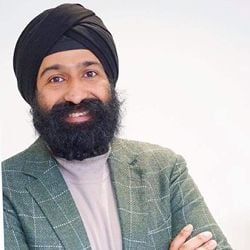
Associate Professor Davinder Hans
Consultant Psychiatrist, Director of Advanced Training of Youth Psychiatry (WA) & Director of Youth Psychiatry, WA Country Health Service
Young Minds, Big Decisions: Patient-Centred Informed Consent for Psychotropic Medications in Young People
ABSTRACT: Informed consent for psychotropic medications, including stimulants and THC-containing medicinal cannabis products, in young people demands a higher standard of rigour than is at times applied in current practice. Young people are still undergoing active neurodevelopmental maturation into the early to mid-twenties, which represents a uniquely vulnerable state, and psychopharmacological intervention needs appropriate consideration. This presentation examines potential material risks, including matters that warrant explicit discussion in the informed consent process and addresses broader medicolegal considerations in a rapidly evolving prescribing landscape.
BIOGRAPHY: A/Prof Hans is the Director of Advanced Training in Youth Psychiatry in WA. In the public sector, he is the Director of Youth Psychiatry at WA Country Health Service. A WA-trained doctor and psychiatrist, A/Prof Hans is also a Fellow of the Australasian College of Legal Medicine. He holds a Master of Health and Medical Law from Melbourne Law School (University of Melbourne), a Master of Youth Mental Health from the University of Melbourne, a Master of Forensic Mental Health from UNSW, and a Master of Affective Neuroscience (the neuroscience of mood and anxiety disorders) from Maastricht University, The Netherlands. A/Prof Hans has also completed the RANZCP Certificate of Psychotherapy Psychiatry, a Diploma of Occupational Medicine (Ireland), and a Certificate of Autism Diagnosis. He is the current Chair of the Continuing Professional Development (CPD) Committee (RANZCP WA) and has previously served as Director of Advanced Training in Psychotherapy (RANZCP WA).
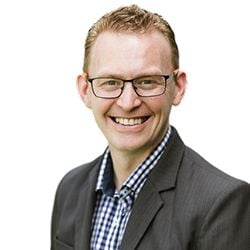
Associate Professor Chris Mills
Interventional Gastroenterologist, General Physician, Lawyer and Bioethicist
Dying to Get There: Reforming Voluntary Assisted Dying in Victoria - Legislative Progress, Persistent Rural Inequity, and the Road Ahead
ABSTRACT: Strong evidence exists that THC consumption does not automatically mean that the person is intoxicated, therefore, existing road safety policies need to reflect this scientific fact. In Victoria, according to the new law introduced in 2025, drivers who use medicinal cannabis have the opportunity to argue in the court that they weren’t impaired while driving. This new policy was backed by the Australian and international studies. It was found that a dose of vaporized cannabis in accordance with the prescription may not affect hazard perception ability or/and driving-related risk-taking behaviour among the patients.
BIOGRAPHY: Associate Professor Chris Mills is an interventional gastroenterologist, general physician, lawyer and bioethicist practising in rural Gippsland, Victoria. He holds a Bachelor of Medicine and Surgery, Juris Doctor, Master of Laws, Master of Health and Medical Law, Master of Business Administration and Graduate Certificate in Clinical Education. He is a Fellow of the Royal Australasian College of Physicians (FRACP), Fellow of the Australasian College of Legal Medicine (FACLM), Associate Fellow of the Royal Australasian College of Medical Administrators (AFRACMA), and Graduate of the Australian Institute of Company Directors (GAICD). An Associate Professor at Monash University with over 50 peer-reviewed publications, Chris has been an active voluntary assisted dying prescriber since 2020, with a particular interest in end-of-life law, rural health equity, and the intersection of clinical and legal medicine.
Dr Mike O’Connor AM
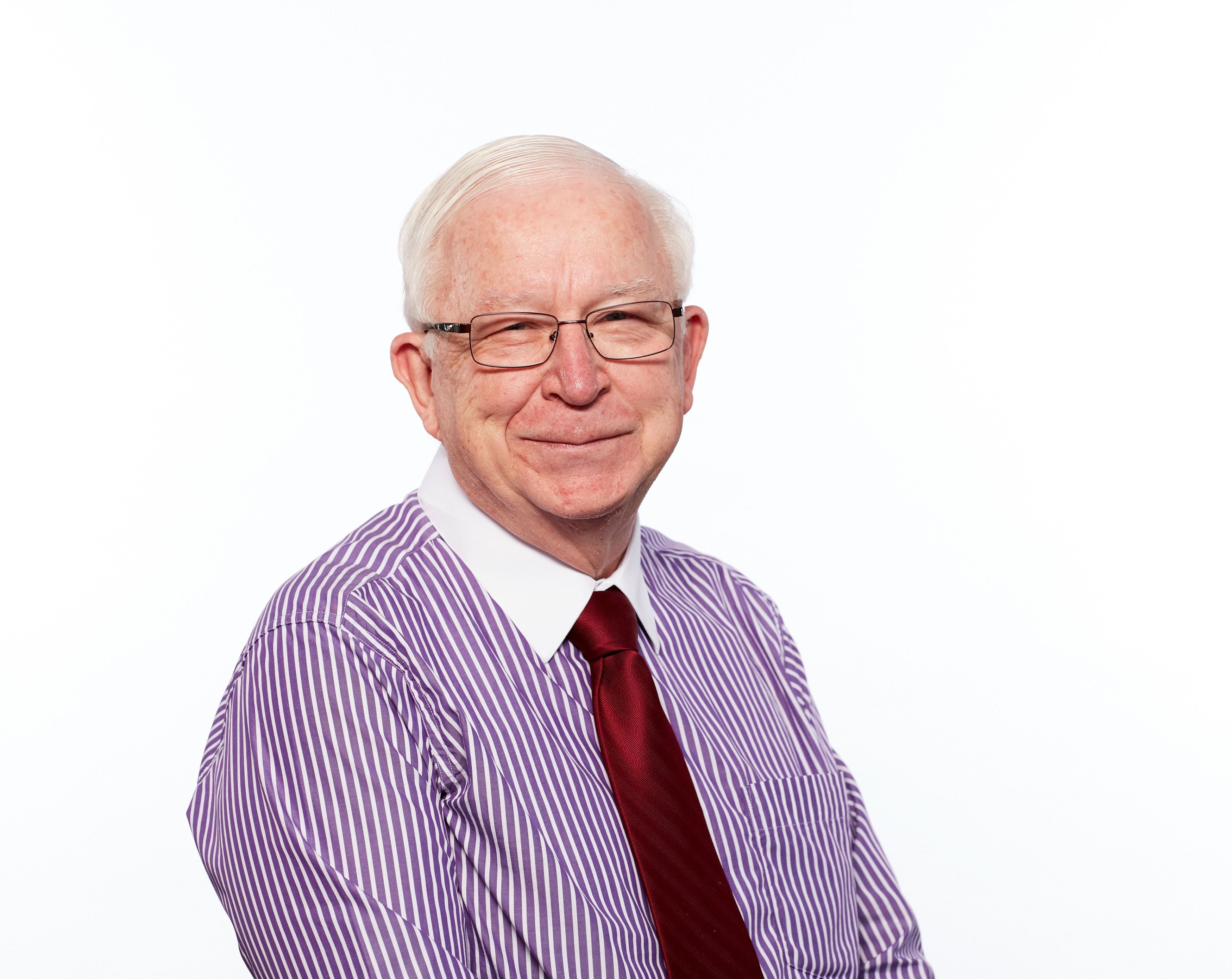
Chair of Patient Care and Clinical Review, St George Private Hospital; ACLM President
Psychopathic Doctors: Caterpillars or Butterflies?
ABSTRACT: Is it possible that some doctors are sociopaths or psychopaths? The horrors in Nazi concentration camps where medical experiments were conducted on inmates would suggest that some doctors did qualify as psychopaths. Other civilian doctors such as Harold Shipman killed patients in large numbers. How can those problem doctors be identified early and regulated? The nature versus nurture argument has been given new meaning by the discovery of a ‘warrior gene’ . PET scanning can identify those with abnormal limbic systems who are destined to become psychopaths however such persons can be transformed by epigenetic enzymatic downregulation as a result of a loving childhood so that the nervous system is not swamped by neurotransmitters. Those people can then become high achievers (say) as surgeons rather than psychopathic killers. The qualities of resistance to stress and ruthless determination to complete a surgical task may be highly beneficial to a surgeon and his patients. From a regulatory standpoint negative behaviours associated with an antisocial personality should be identified early even without a psychiatric diagnosis as there may be the possibility of reforming such behaviour even at a relatively last stage of professional life. The notion of ‘nature versus nurture’ has taken on a new dimension. (Co-authored by Anne Buist & Chris Rudge)
BIOGRAPHY: Mike O’Connor is Visiting Obstetrician & Gynaecologist at The St George Hospital, Kogarah, and St George Private Hospital, where he is Chairman of the Patient Care and Clinical Review Committee since 2010. He is a Conjoint Senior Lecturer at UNSW in the Division of Women’s and Children’s Health and Lecturer at Sydney University. He is currently President of the Australasian College of Legal Medicine. He is a section editor for the Journal of Legal Medicine. From 1981-1983 he was Medical Superintendent at the Women’s Hospital (Crown St.) in Sydney. For 6 years Mike O’Connor was a Federal Councillor of the Royal Australian & New Zealand College of Obstetricians & Gynaecologists, representing NSW and served as Vice President of the College from 2002-2004. His College work included the development of an Indigenous Health Worker training program in antenatal care, adult and neonatal resuscitation courses as well as courses on the management of sexual assault. He established the Chapter of Military O&G in the RANZCOG and is its Chairman. Mike O’Connor was awarded the Gold Medal of the RCOG at the MRCOG exams in 1975 and in 1982 he was awarded the degree of Doctor of Medicine (Sydney University).He holds Diplomas in Diagnostic Ultrasound & Child Health .He is an active member of the ACLM, the ASCCP and the ASUM. He has a Master’s degree in Health Law from Sydney University and a Master’s degree in Forensic Medicine from Monash University. In 2009 he was created a Member of the Order of Australia in recognition of his longstanding work in Indigenous Health.

Dr Shamini Ramoo
Lead of the Adult Medical Forensic Team at Prevention and Response to Violence Abuse and Neglect (PARVAN) Services, Northern Sydney Local Health District (NSLHD)
Bridging Health and Justice: Medico-Legal experience in the Northern Sydney LHD Sexual Assault and Domestic and Family Violence Services
ABSTRACT: We will present data on the Medico- Legal experience in the Northern Sydney Local Health District Sexual Assault and Domestic and Family Violence Services, specifically looking at Expert Legal Report Writing and court outcomes for survivors who have accessed the Sexual Assault and Domestic and Family Violence Services.
BIOGRAPHY: Dr Shamini Ramoo leads the Adult Medical Forensic Team at Prevention and Response to Violence Abuse and Neglect (PARVAN) Services, Northern Sydney Local Health District (NSLHD), and works across the Sexual Assault and Domestic Family Violence Services. Shamini is a Fellow of the Australasian College of Legal Medicine (ACLM) and the Royal Australian College of General Practitioners (RACGP). Shamini holds a Masters in International Public Health (Honours) and a Masters of Forensic Medicine. Shamini was instrumental in setting up the Lorikeet Clinic, an integrated, trauma-informed clinic for patients who have experienced Domestic and Family Violence. Shamini is also a Visiting Medical Officer at the Royal Prince Alfred Hospital Sexual Assault Service, and an experienced General Practitioner.
Dr Lo Ramon Yiu
Consultant Orthopaedic Surgeon, Tseung Kwan O Hospital, Hong Kong
Gross Negligence Manslaughter: Is it an appropriate mechanism to address death caused by medical mishap?
ABSTRACT: This presentation will critically evaluate whether gross negligence manslaughter (GNM) is an appropriate criminal mechanism for addressing deaths caused by medical mishap, arguing that the Adomako-based test is conceptually unstable and ill-suited to complex clinical settings. It highlights indeterminate thresholds of “badness,” difficulties with causation, and the tendency to overindividualize blame while neglecting systemic contributors. The analysis finds little evidence that GNM improves patient safety, instead fostering fear and defensive practice. It proposes a reoriented framework based on a betrayal-of-trust threshold for individual liability and a new statutory offence of grave professional negligence that embeds contextual and institutional factors.
BIOGRAPHY: Dr Ramon Yiu is a consultant orthopaedic surgeon at Tseung Kwan O Hospital, Hong Kong, with subspecialty expertise in trauma, arthroscopic sports surgery and rehabilitation. He holds formal qualifications in medical law and ethics, including a Postgraduate Certificate in Medical Law and Ethics and an LLM in Medical Ethics and Law, and is an International Fellow of the American College of Legal Medicine. He serves as Clinical Honorary Assistant Professor at both CUHK and HKU, is an accredited trainer and examiner, and focuses on the interface between orthopaedic care, rehabilitation and medico-legal standards.
Dr Mark Woodrow
General Manager - Medical Advisory Services and Deputy Chief Medical Officer, Avant; Emergency VMP at Wesley Hospital | President MLSQ
If It Isn’t Written, It Didn’t Happen - Guiding principle or legal reality?
ABSTRACT: The saying is a memorable heuristic designed to instil good documentation habits in clinicians. It circulates widely in medical defence circles, clinical education and medicolegal commentary. But like most aphorisms, it compresses a nuanced legal reality into something misleadingly absolute. Neither Australian case law nor legislation endorses it in those terms, and philosophically it is wrong, or at best, imprecise. This presentation will discuss the catchphrase through medical, legal and philosophical lenses in an attempt to refine it to better reflect the medicolegal reality.
BIOGRAPHY: Dr Mark Woodrow graduated from the University of Queensland, and after a short time in a rural hospital and a year in surgery, has worked as an emergency physician for 30 years in the private sector. He has worked at the Wesley Hospital for most of this time and represented the emergency department as chair of the emergency medicine craft group, as a member of the Medical Advisory Committee, and is currently chair of the Quality Assurance Committee. He has completed additional training in several emergency related fields including diving and hyperbaric medicine, toxinology, prehospital life-support, burns, ultrasound and sports medicine. He completed and was an instructor for both EMST and APLS. He also became a faculty member of The Cognitive Institute, facilitating workshops in communication skills and clinical safety. During those postgraduate years, Mark achieved a Masters of Business Administration, Graduate Diploma of Applied Law and Graduate Certificate in Arts (ethics). This eventually led to a part-time position as claims manager and medical advisor with Avant, medical defence organisation. He is now General Manager - Medical Advisory Services and Deputy Chief Medical Officer at Avant. He is also currently President of the Medicolegal Society of Queensland, and Council member of the Australasian College of Legal Medicine.
Open Speakers
Professor Christian Gericke
Consultant Neurologist and Public Health Physician at Deakin and Calvary Bruce Private Hospitals, Canberra; Clinical Professor of Medicine, Australian National University;
Honorary Professor of Public Health, University of Queensland
Loss of Chance and the Right to Compensation in Medical Litigation
ABSTRACT: Medical negligence litigation, like clinical practice, operates under conditions of inherent uncertainty. Disease progression is probabilistic, treatment outcomes are variable, and counterfactual medical histories cannot be known with certainty. Despite this reality, negligence law in Australia and England requires plaintiffs to prove, on the balance of probabilities, that a defendant’s breach of duty caused the ultimate physical injury. Where this burden cannot be met, claims fail even when negligence is clear, and the plaintiff’s prospects of recovery or survival were materially reduced. This paper argues that the refusal to recognise loss of chance as actionable damage systematically under-compensates plaintiffs. Through doctrinal and comparative analysis of Australian, English, French, and United States jurisprudence, it demonstrates that proportional damages models are coherent, workable, and normatively superior, and that reform, particularly under s 5D(2) Civil Liability Acts, is justified.
BIOGRAPHY: Professor Christian Gericke is a Consultant Neurologist and Public Health Physician at Deakin & Calvary Bruce Private Hospitals in Canberra, Clinical Professor of Medicine at the Australian National University, and Honorary Professor of Public Health at the University of Queensland. Previously, he worked as an academic neurologist at Calvary Mater Newcastle, Prince Charles Hospital in Brisbane, King’s College Hospital London, and Sheffield Teaching Hospitals. After graduating from medical school in Berlin, he trained in neurology at the Charité, then completed epilepsy fellowships in Strasbourg and Geneva. He has two research doctorates and master’s degrees from the University of Cambridge and the London School of Economics. He reads medical law at Melbourne Law School.

Naty Guerrero-Diaz
LLB (Hons), Accredited Specialist in Personal Injury Law, Head of Medical Law Victoria Slater & Gordon Lawyers
Disparity in Pain Management
ABSTRACT: The recent investigation of an Australian gynaecologist accused of hundreds of counts of unnecessary surgery for endometriosis has highlighted the plight of women who have endured years of pelvic pain and the desperation which drives them to seek relief at any cost. In November 2025 a Victorian Governmental report entitled Bridging the Gender Pain Gap was released. Of the 13,000 submissions by women, 95 percent sought medical help but seventy one percent experienced dismissal of their symptoms for reasons of gender identity, race, disability and bodily weight issues. The recommendations included developing and promulgating standards for management of women’s pain and expanding women’s health care facilities to include 20 additional Sexual and Reproductive Health Hubs in the public sector at a cost of $153 million. What legal initiatives are possible to assist the gender disparity in pain management in Australia? Australian & UK case law will be reviewed to identify cases of delayed diagnosis of chronic pain as an indication of endometriosis.
BIOGRAPHY: As a Practice Group Leader at Slater and Gordon, Naty Guerrero-Diaz is passionate about helping people access compensation after they’ve suffered injury as a result of negligent treatment by medical and allied health practitioners. Naty's specialities include but are not limited to medical negligence, coronial inquests, and sexual misconduct cases against medical or allied health practitioners. Prior to becoming a lawyer in 2008, Naty worked in disability support services, and this experience gives her an added edge in her profession. Naty was shortlisted as a finalist in the Accredited Specialist Achievement category for the 15th Victorian Legal Awards.
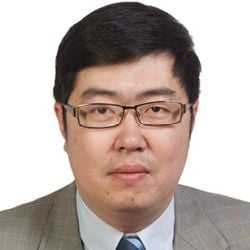
Professor Hongjie Man
Ph D; Professor and the Director of the Institution for Health Law and Policy Studies, East China University of Political Science and Law, Shanghai
Digital Technology Empowers the Realization of the Right to Health - A Chinese Perspective
ABSTRACT: This paper explores digital technology’s role in advancing the right to health from a Chinese perspective. It elaborates digital health’s practical value in medical resource sharing, public health capacity building, and whole-cycle health management, while noting potential risks including the digital divide, privacy breaches and algorithmic bias. It also introduces China’s multi-layer regulatory framework to standardize digital health development and maximize its public welfare value.
BIOGRAPHY: Prof. Hongjie MAN, Ph D (Fudan), is professor and the director of the Institute for Health Law and Policy Studies, East China University of Political Science and Law, Shanghai, China. His major research fields include health law, civil law (esp. tort law, contract law and personality right), and human rights law. He is a member of the board of Governors of World Medical Law Association, member of board of China Human Rights Society and China Civil Law Society, and a standing member of board of China Health Law Society. He has published extensively in the above fields, with books, chapters and peer-reviewed journal articles in Chinese and English. His study and research experience overseas, such as in the University of Wisconsin, McGill University and Max-Planck Institute for International and Comparative Private Law , enhances his interests of comparative law study and international collaboration.
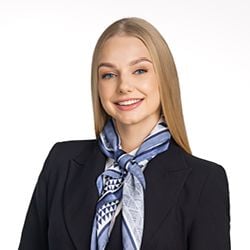
Andra Lape Mazrimaite
Attorney at Law, Lecturer, Lithuania
Medical Liability Without Blame? Patient Complaints, Compensation and Healthcare Accountability:
The Lithuanian Case
ABSTRACT: Lithuania introduced a no-fault compensation model for patient injuries with the aim of making compensation more accessible, reducing adversarial litigation, and shifting the focus from individual blame to patient protection and systemic learning. This presentation examines how the Lithuanian model operates in practice, focusing on patient complaints, institutional decision-making, compensation data, and the changing meaning of doctors’ responsibility. Using recent data from the Patient Health Damage Assessment Commission, the presentation explores the volume of claims, the proportion of positive decisions, the amounts awarded, and the types of healthcare services most commonly involved. The Lithuanian experience provides a useful case study for discussing whether no-fault compensation improves access to justice or merely transforms medical disputes into administrative proceedings. The presentation also considers the position of healthcare professionals. If compensation is awarded without establishing fault, what remains of professional accountability? The Lithuanian model raises broader questions about the relationship between patient safety, legal responsibility, institutional trust, and the culture of error disclosure in healthcare. The presentation argues that no-fault compensation should not be understood as the absence of responsibility. Rather, it creates a different model of responsibility, one that separates patient compensation from individual blame, while still requiring effective mechanisms for quality control, professional accountability, and systemic improvement.
BIOGRAPHY: Andra Ma?rimait? is an associate attorney-at-law in Lithuania and a lecturer specializing in health law and related fields. Renowned for her expertise in Life Sciences, Healthcare, and Pharmaceutical Law, she is currently an integral part of the Baltic region's esteemed law firm, Ellex Vali?nas ir partneriai, while also serving as a lecturer at Mykolas Romeris University. With an LL.M. degree in Health Law and her ongoing pursuit of a PhD in Law at Mykolas Romeris University, Andra combines profound academic knowledge with extensive practical experience. She has been recognized for her academic excellence, receiving the prestigious Mykolas Romeris Nominal Scholarship. Her academic and professional contributions extend to teaching and mentoring students in health law, where she shares her expertise and fosters a new generation of legal professionals. Andra has published extensively on critical topics, including patients' rights, compensation for health damages under Lithuanian law, the no-fault compensation model, and legal responses to the COVID-19 pandemic through comparative analyses. Her contributions have been featured in prominent international journals, including the Bratislava Law Review, as well as key national publications. A distinguished legal scholar, practitioner, and educator, Andra is at the forefront of exploring emerging challenges and trends in Life Sciences Law. Her commitment to bridging theory and practice through rigorous research, academic engagement, and legal advocacy positions her as a trusted expert and mentor in her field.
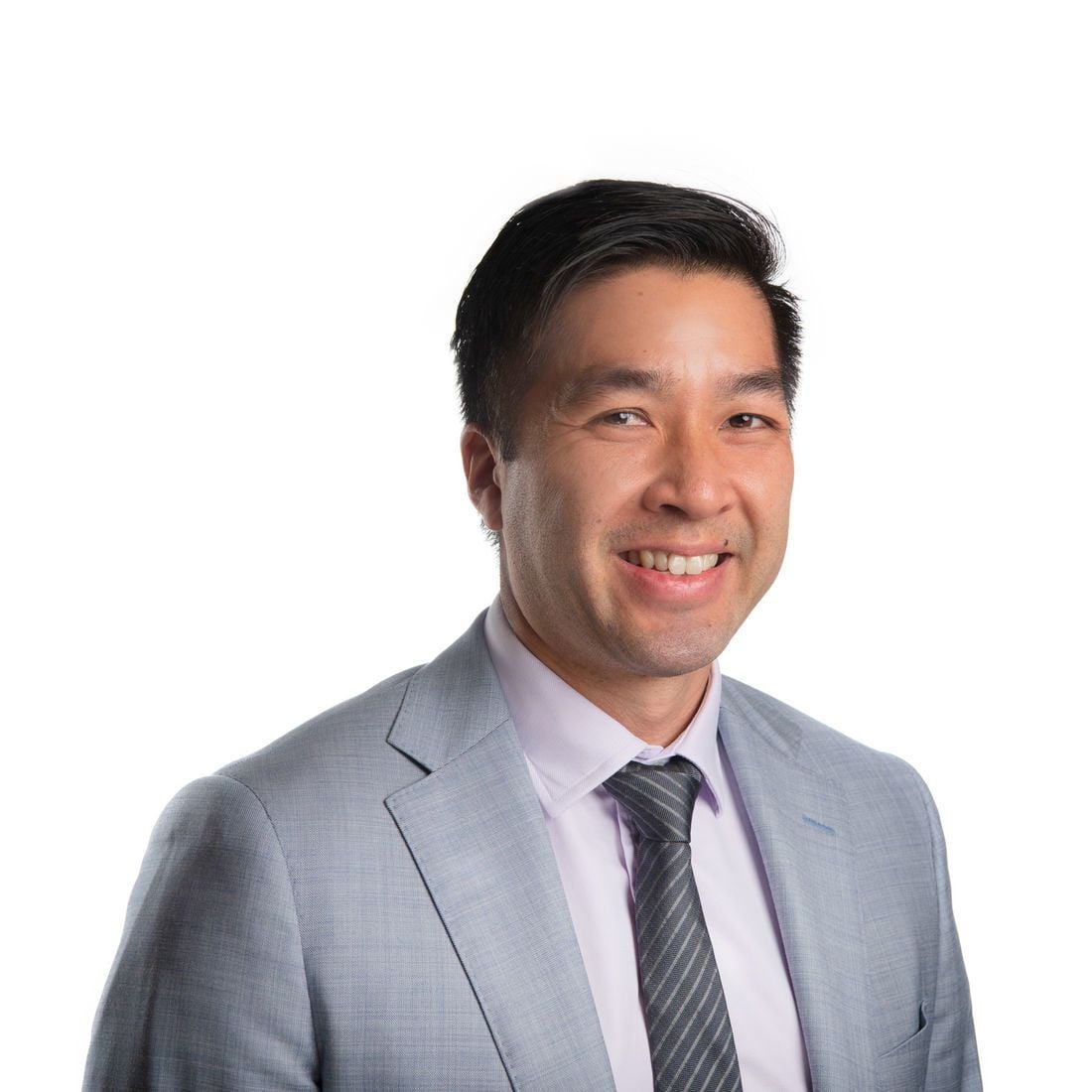
Dr David Nguyen
Psychiatrist
In Defence of the Dark Acts - Mental Health Court
ABSTRACT: The Queensland Mental Health Court (QMHC) was established as part of the Mental Health Act in 2000. The QMHC operates at the Supreme Court level and determines cases where queries exist regarding insanity or unfitness for trial. Determination of these queries is through a review with an independent psychiatrist. This presentation focuses on the process of the examination, review of the evidence and assessment of the factors that impact on the decision as to if someone has a mental health defence.
BIOGRAPHY:
Dr Nguyen has been a Consultant Psychiatrist for more than 8 years. He has experience across private practice, public hospital psychiatry and multidisciplinary mental health services. Dr Nguyen’s clinical practice includes adult psychiatry, addiction psychiatry, consultation-liaison psychiatry and neuropsychiatry. Dr Nguyen has worked in a number of specialist psychiatry services including pain management, addiction services, early psychosis, older persons mental health and mobile intensive rehabilitation teams. Dr Nguyen is a member of the Queensland General Medical Assessment Tribunal and is an experienced independent examiner who has provided independent medical reports and expert opinions for workers compensation, personal injury matters and the Mental Health Court. Dr Nguyen has held leadership and representative roles within psychiatric training and medical organisations. He has attended additional medicolegal training through the ALA expert witness training and Barry Nilsson Health Law Course.
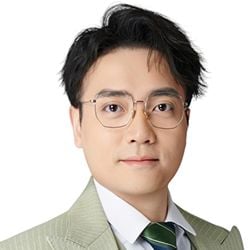
Assistant Professor Man Teng Iong
Assistant Professor, Faculty of Law, University of Macau
The Law for AI in Healthcare: Integrating Legal, Ethical, and Regulatory Frameworks for Safe and Equitable AI Adoption
ABSTRACT: This paper takes a foundational look at the fragmented legal, ethical, and regulatory landscape around artificial intelligence in healthcare and its implications to patient safety and accountability. It identifies key challenges including inconsistent governance regimes, ethical risk such as bias and opacity and uncertainty in matters of liability in relation to adaptive AI system. Using a comparative and interdisciplinary methodology, the research examines the models of regulation in different jurisdictions and points out divergence between EU and US models. It proposes an integrated framework, using lifecycle regulations, harmonised standards and shared liability. The conclusion from the study is that coherent, patient-centred and internationally matching frameworks are needed for safe, equitable and trustworthy deployment of AI.
BIOGRAPHY: Professor Man Teng IONG is an Assistant Professor at the Faculty of Law of the University of Macau. He holds a PhD in Private Law from the University of Minho, an LLM from the University of Macau, and an LLB from the New University of Lisbon. His research focuses on health law, tort law, and AI regulation, with particular interest in advance directives and medical liability. He has published widely in international journals and books on healthcare law and ethics. Before entering academia, he worked as a legal advisor and notary in the Macau Health Bureau, bringing practical experience to his research and teaching.
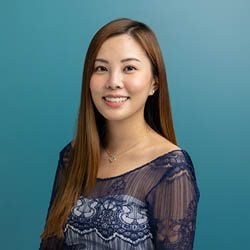
Dr Cecilia Yong
Dentist; Medical Assessor, Personal Injury Commission NSW; Medico-Legal Dental Consultant
Bruxism in Medico-Legal Claims: Clinical Findings, Causation
ABSTRACT: Bruxism is a common condition that can lead to tooth wear, fractured teeth and restorations, jaw pain, headaches, and temporomandibular joint disorder symptoms. It is frequently encountered in both clinical and medico-legal settings and may arise in the context of stress, trauma, workplace injury, and/or the use of certain medications, including antidepressants. This presentation provides a practical overview of bruxism for lawyers, insurers, and healthcare professionals involved in personal injury and workers compensation matters. It will cover the common clinical signs and symptoms of bruxism, factors that may contribute to its development, and why these cases can sometimes become complex in medico-legal claims. The presentation will also discuss the importance of dental records, clinical assessment, and appropriate management, including splints, monitoring, and restorative treatment. Through simple clinical examples, attendees will gain a better understanding of how bruxism may present in medico-legal practice and the challenges that can arise when assessing dental injury and ongoing symptoms.
BIOGRAPHY: Dr Cecilia Yong is a general dentist with an interest in medico-legal dentistry, dental trauma, bruxism, and temporomandibular disorders. She is an Appointed Medical Assessor for the Personal Injury Commission and a SIRA-authorised health practitioner for motor accident claims in New South Wales. Dr Yong regularly performs independent dental assessments relating to workers compensation, motor vehicle accident, and personal injury claims. She holds a Postgraduate Diploma in Clinical Orthodontics through the City of London Dental School and has also completed a Fellowship in Implant Dentistry through the University of Miami. Her clinical interests include orthodontics, implant dentistry, paediatric dentistry, and the intersection between dentistry and medico-legal practice.